

Tensions between the White House and the Vatican are escalating after U.S. Secretary of State Marco Rubio prepared for a high-profile meeting with Pope Leo XIV following a series of sharp attacks by President Donald Trump against the pontiff.
The meeting, scheduled to take place at the Vatican this week, comes at a delicate moment in relations between Washington and the Holy See. Trump’s recent criticism of Pope Leo over the Iran conflict and nuclear policy has triggered international debate, placing Rubio in the difficult position of trying to ease diplomatic tensions while defending the administration’s foreign policy agenda. (The Guardian)
White House and Vatican Relations Reach a Critical Point
Relations between the United States and the Vatican have deteriorated significantly in recent months. The dispute intensified after Trump publicly accused Pope Leo of undermining global security by opposing military escalation against Iran and continuing to advocate for peace negotiations.
The Pope responded firmly, rejecting claims that he supports nuclear weapons or Iran’s military ambitions. Instead, he reiterated the Catholic Church’s longstanding opposition to nuclear warfare and called for diplomacy over armed conflict. (The Guardian)
Observers say the clash represents one of the most unusual confrontations between an American president and a pope in modern history. Analysts and historians have described the exchange as unprecedented due to the public nature of the attacks and the growing ideological divide between the Vatican and the Trump administration. (Wikipedia)
Marco Rubio’s Mission in Rome
Rubio’s trip to Rome is widely viewed as an attempt to stabilize relations between the United States, the Vatican, and key European allies. The secretary of state is expected to meet not only Pope Leo but also senior Vatican officials, including Cardinal Pietro Parolin, as well as Italian political leaders. (Reuters)
Although Rubio has denied that the trip is specifically aimed at repairing relations, political analysts believe the visit carries major diplomatic significance. The secretary of state has tried to defend Trump’s remarks while simultaneously lowering the temperature surrounding the controversy.
Rubio argued that Trump’s criticism stemmed from concerns about Iran’s nuclear ambitions rather than hostility toward the Catholic Church. However, critics say the administration’s rhetoric has further alienated religious leaders and European allies already uneasy about Washington’s aggressive foreign policy direction. (The Guardian)
Pope Leo Emerges as a Global Moral Voice
Since becoming the first American-born pope, Pope Leo XIV has increasingly positioned himself as a strong advocate for peace, humanitarian values, and diplomacy. His criticism of military action in Iran and concerns over escalating global conflicts have resonated with many Catholics and international leaders.
The pontiff has also openly criticized harsh immigration policies and rising nationalism across several countries, positions that have placed him at odds with the Trump administration. (Wikipedia)
Political observers note that Pope Leo’s growing influence on the world stage has transformed him into one of the most visible moral counterweights to Trump’s leadership style. Public support for the pope’s calls for peace has reportedly strengthened in parts of Europe and Latin America amid fears of wider regional instability. (The Washington Post)
Italy Caught in the Middle
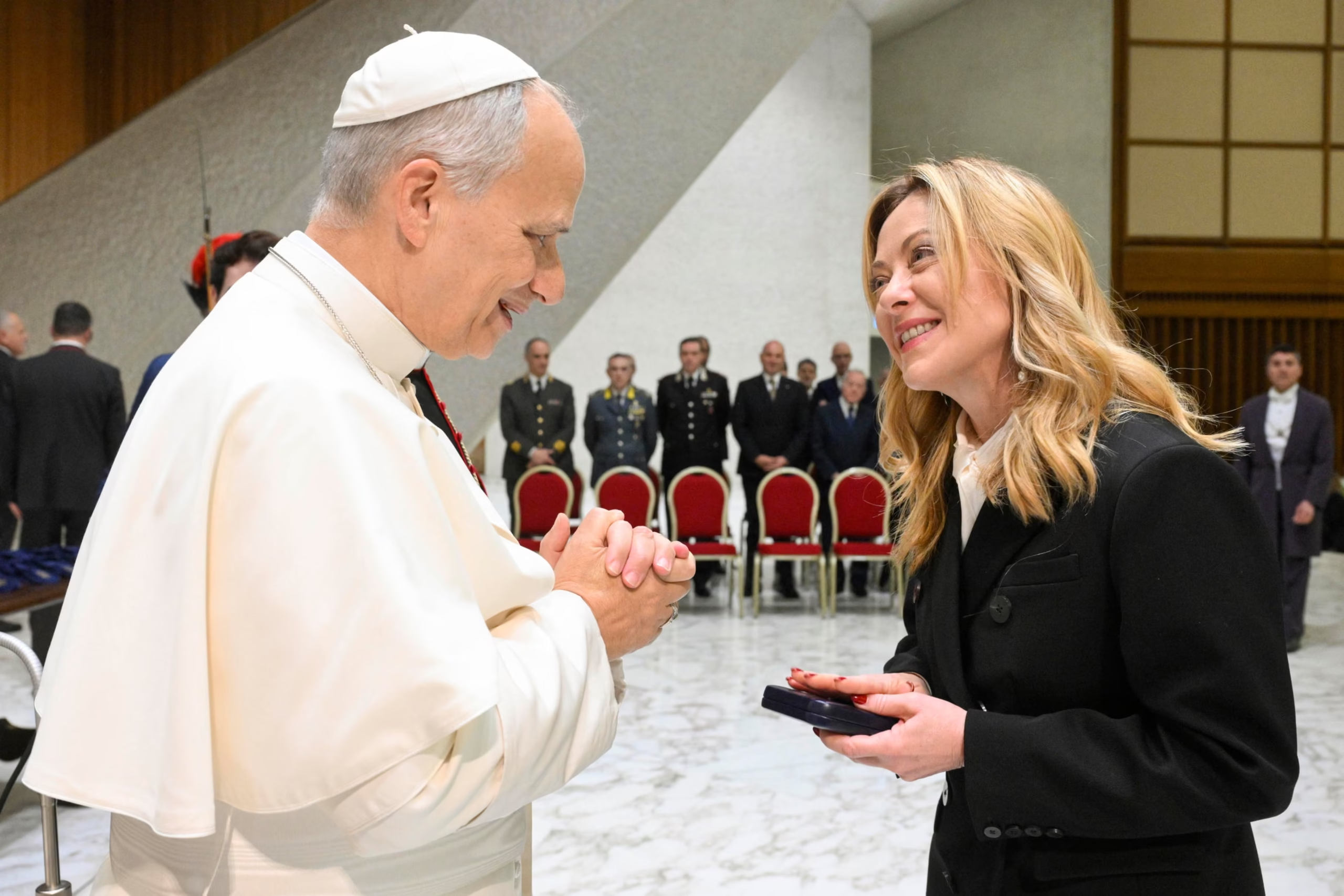
Rubio’s visit also includes meetings with Italian Prime Minister Giorgia Meloni and other Italian officials. Italy has found itself caught between its alliance with Washington and its strong ties to the Vatican.
Trump reportedly criticized Italy for refusing to fully support military action against Iran, creating additional tension between the White House and one of its most important European allies. (The Guardian)
Italian leaders have largely defended Pope Leo and expressed concern over the increasingly confrontational tone coming from Washington. Analysts warn that ongoing disagreements could complicate future cooperation on security, NATO commitments, and regional diplomacy.
Photograph: Vatican Media Handout/EPA
A High-Stakes Diplomatic Encounter
The upcoming meeting between Rubio and Pope Leo is expected to be closely watched across the world. Diplomatic experts believe the talks could shape the future of U.S.-Vatican relations at a time of growing global instability.
While the Vatican has signaled openness to dialogue, there are clear signs that tensions remain high. Trump’s continued criticism of the pope, combined with disagreements over war, migration, and international diplomacy, has created a widening ideological divide between the two sides. (Reuters)
For Rubio, the visit represents a major diplomatic test. As both secretary of state and a practicing Catholic, he faces pressure to reassure Vatican leaders while maintaining loyalty to the Trump administration’s policies.
Whether the meeting leads to reconciliation or further friction remains uncertain, but it is already shaping up to be one of the most significant diplomatic encounters between the United States and the Vatican in recent years.


