
US–Iran Crisis Sends Oil Prices Soaring as Strait of Hormuz Shutdown Sparks Global Energy Emergency

Global oil prices surged at the start of the week, as escalating tensions between the United States and Iran triggered fresh fears of a major supply disruption across international energy markets.
The spike followed confirmation by Donald Trump that U.S. forces had intercepted and seized an Iran-linked cargo vessel—an action that sharply intensified the ongoing standoff between the two nations.
In early Asian trading, Brent crude rose 4.74% to $94.66 per barrel, while West Texas Intermediate climbed 5.6% to $88.55. Analysts say the rally reflects growing uncertainty over the stability of global oil supply routes.
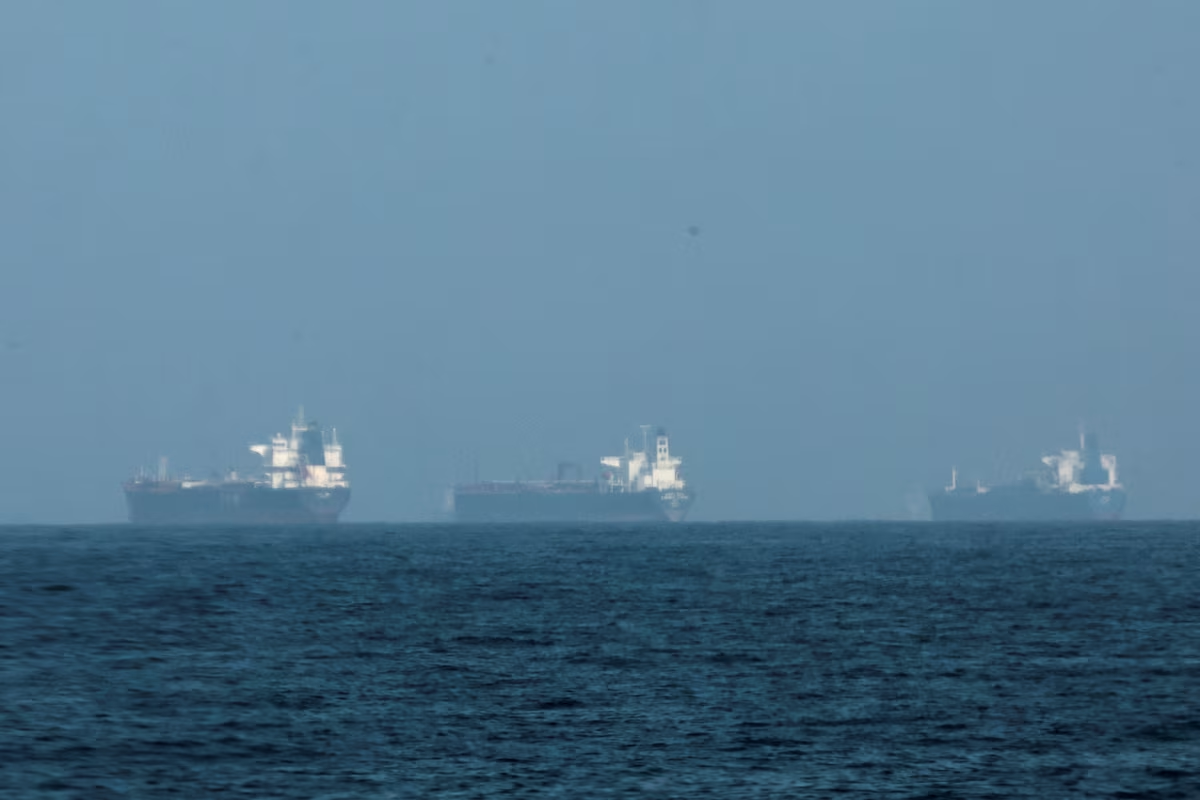
The surge comes as Iran reaffirmed its decision to close the Strait of Hormuz, warning that any commercial vessel attempting to pass through the waterway could be targeted. The Strait is one of the world’s most critical energy corridors, responsible for transporting nearly 20% of global oil and liquefied natural gas (LNG).
Iran’s move to keep the Strait closed follows accusations that Washington violated ceasefire terms by maintaining a naval blockade in the region. The shutdown has effectively halted a key artery of global energy trade, sending shockwaves through oil markets and raising concerns of prolonged disruption.
The Strait of Hormuz remained closed through the weekend, with Iranian authorities indicating it would not reopen until the U.S. ends its military presence in the area.
Oil prices have experienced sharp swings since the conflict escalated in late February, when U.S. and Israeli forces launched strikes on Iranian targets. Brent crude, which had been trading below $70 per barrel before the conflict, surged to nearly $120 in early March before easing slightly in recent sessions.
The effects of the disruption are being felt most strongly across Asia, where many countries depend heavily on energy shipments passing through the Strait of Hormuz. Some nations rely on the route for up to 90% of their oil and gas imports.
In response, governments across the region have introduced emergency measures aimed at conserving fuel supplies, including remote working policies, reduced business hours, and public appeals to limit electricity usage.
Major economies are also taking steps to manage rising fuel costs. China, despite holding significant reserves, is reportedly intervening to limit price increases as consumers face sharp hikes at the pump.
Rising fuel costs are also placing pressure on the global aviation sector, with airlines introducing surcharges and adjusting operations to offset higher jet fuel prices.
According to Fatih Birol of the International Energy Agency, Europe could face a critical shortage of jet fuel within weeks if supply routes remain disrupted, raising the possibility of flight cancellations.
Efforts to de-escalate the crisis remain unclear. The U.S. has indicated that talks could take place in Pakistan, potentially led by Vice President JD Vance. However, Iranian state media has suggested that Tehran has no immediate plans to participate in negotiations.
With one of the world’s most vital oil transit routes effectively shut down, global markets are expected to remain volatile in the coming days. Analysts say the direction of oil prices will largely depend on whether the Strait of Hormuz reopens and whether diplomatic efforts between the U.S. and Iran gain traction. Until then, the risk of further price spikes and broader economic impact remains high, with governments and industries worldwide bracing for continued uncertainty.
Discover more from Afroxtreme
Subscribe to get the latest posts sent to your email.


