US Launches ‘Project Freedom’ to Escort Ships from Strait of Hormuz Amid Iran Tensions


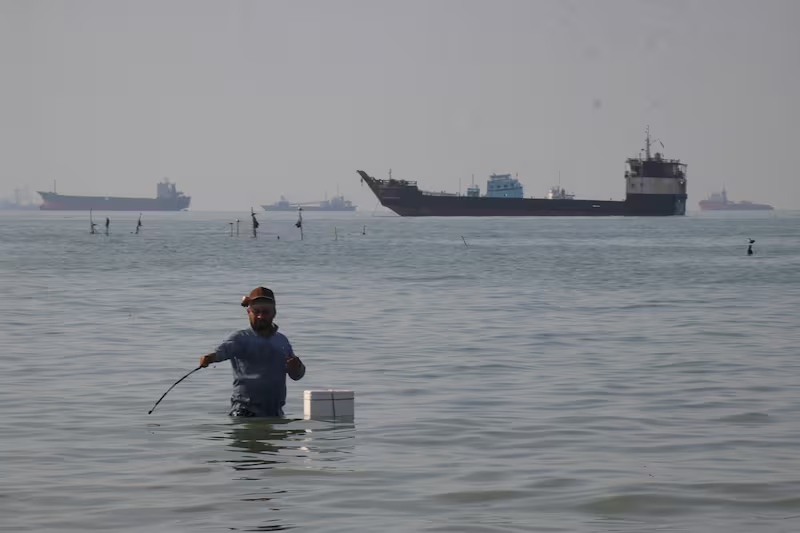
The United States is set to begin a new operation on Monday aimed at escorting vessels stranded in the Strait of Hormuz, according to President Donald Trump. The plan, described as a humanitarian effort, is intended to help hundreds of ships and an estimated 20,000 seafarers trapped in the region amid tensions with Iran. Tehran, however, has strongly criticized the move, calling it a violation of the current ceasefire.
In a post on social media, Trump said several “neutral and innocent” nations have been caught up in the conflict and assured that Washington would assist their ships in safely navigating out of restricted waters. He said the initiative—dubbed “Project Freedom”—would begin in the Middle East, while also hinting at ongoing discussions with Iran that could potentially yield a positive outcome.
US Central Command indicated the mission would involve significant military resources, including guided-missile destroyers, more than 100 aircraft, and around 15,000 personnel. Details on how the operation will be carried out remain unclear, as the Pentagon has not provided further clarification.
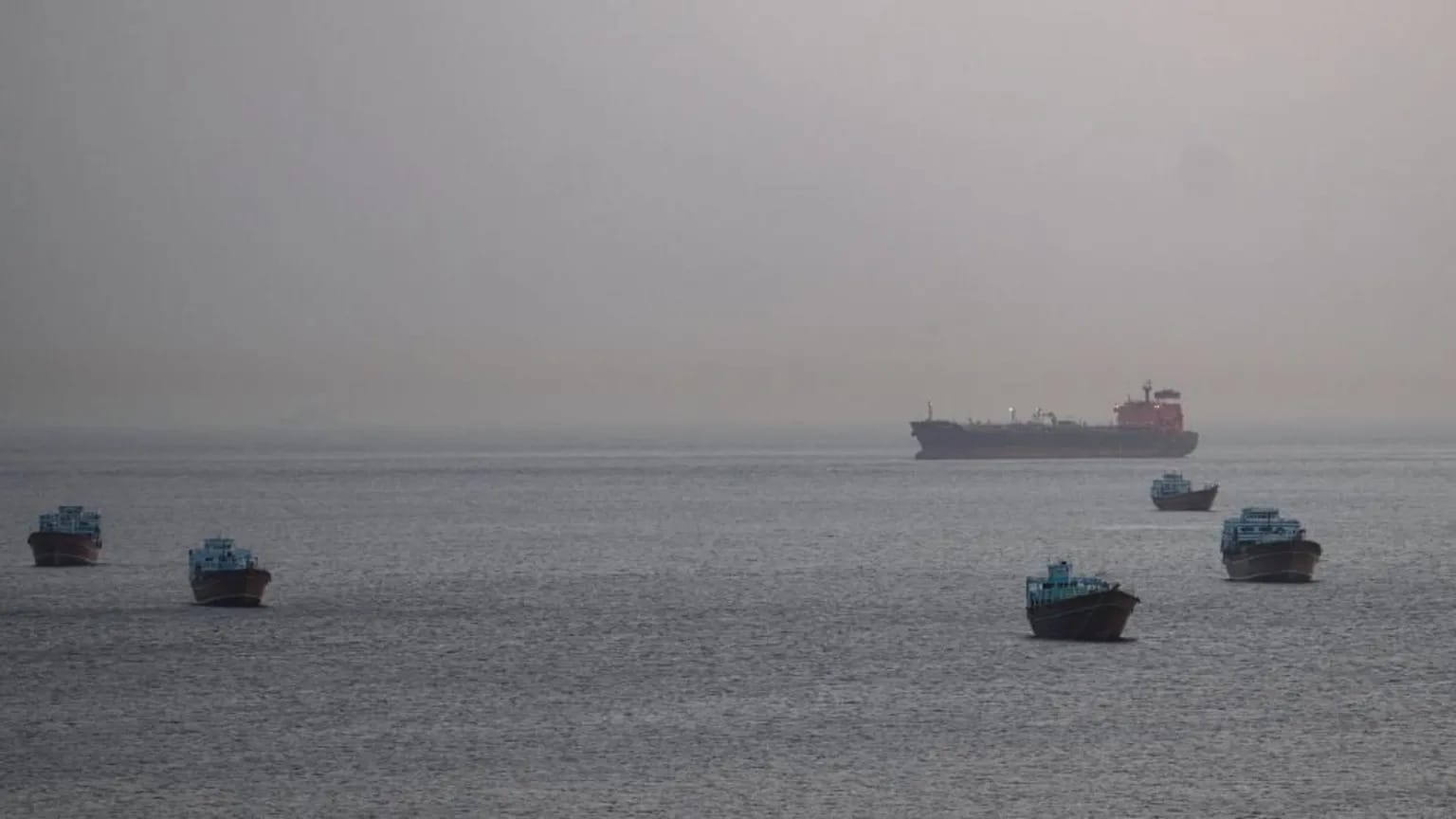
Iran’s tightening control over the strait, which followed the outbreak of war with the United States and Israel on February 28, has disrupted global markets. The vital waterway, through which a large share of the world’s oil and gas supplies pass, has effectively been closed off, leaving numerous cargo and energy vessels stranded in the Persian Gulf.
Seafarers aboard these ships have reported difficult conditions, including dwindling supplies of food and drinking water, while witnessing missile and drone activity overhead. Many of the affected crew members are from countries across South and Southeast Asia, including India.
Trump framed the operation as a humanitarian response, but also issued a warning that any interference would be met with force. Iranian officials rejected the announcement, with state media dismissing it as irrational and lawmakers warning that foreign involvement in the strait would breach the ceasefire agreement.
The announcement came shortly after Iran said it was reviewing a US response to its latest proposal aimed at ending the conflict. Officials in Tehran emphasized that current discussions do not involve nuclear negotiations, despite longstanding tensions over Iran’s nuclear program. A fragile ceasefire that has held for about three weeks remains in place, though both sides have signaled that it could unravel.
Meanwhile, security concerns in the region persist. A cargo vessel near the strait reported being approached by multiple small boats in what appeared to be an attack, according to a British maritime monitoring agency. All crew members were reported safe. Iranian authorities denied any such incident, saying the vessel had only been stopped for routine checks.
Since the conflict began, there have been dozens of reported incidents involving ships in and around the strait. The threat level remains high, with small, fast-moving patrol boats posing a particular challenge for monitoring and defense.
Iran maintains that it has authority over the strait and has suggested that vessels not linked to the United States or Israel may pass through if they pay a fee—an assertion widely seen as conflicting with international maritime law.
At the same time, Iran is weighing a broader proposal that includes lifting US sanctions, ending military blockades, withdrawing foreign forces from the region, and halting hostilities involving allied groups. The proposal, reportedly delivered via Pakistan, is aimed at achieving a full resolution to the war rather than prolonging the ceasefire.
Economic pressure is also mounting inside Iran. The national currency, the rial, has continued to weaken sharply, hitting around 1.84 million to the US dollar in Tehran’s main exchange hub. Analysts warn the situation could deteriorate further as inflation rises and job losses increase, with some factories reportedly cutting back on contracts since the start of the Iranian new year.
Despite diplomatic efforts, both Washington and Tehran appear unwilling to make major concessions, each viewing itself as holding the upper hand. Iran has reiterated that it will not retreat from its position on the Strait of Hormuz, signaling that tensions in the region are far from resolved.
The United States has also warned shipping firms against making payments to Iran for safe passage, saying such actions could lead to sanctions. Meanwhile, the ongoing naval blockade is limiting Iran’s oil exports, further straining its already fragile economy.
With military activity, economic pressure, and stalled diplomacy all in play, the situation around the Strait of Hormuz remains highly volatile, with global trade and energy markets closely watching every development.