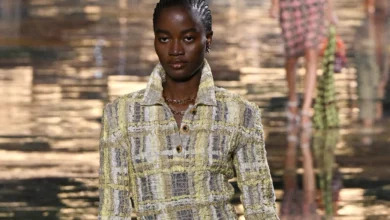
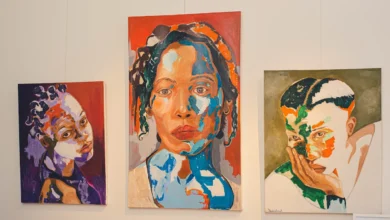
Zambia rarely makes fashion headlines the way Lagos or Johannesburg does, but its design scene has picked up momentum. Designers in Lusaka are putting chitenge prints, tailoring and embroidery into labels with real followings, and some have shown abroad.
This guide covers five names that come up often in coverage of Zambian fashion: ChizÓ Designs, Esnoko by Chiza, Mangishi Doll, Debbie Chu and MaFashio. The first four are clothing labels. MaFashio is a style blog that spotlights local designers.
How Zambian fashion got here
After privatisation, Zambia’s textile and clothing industry shrank and shoppers leaned heavily on cheap imports. That pressure hasn’t gone away: imported second-hand clothing still undercuts local pieces on price, and designers say more people need to be willing to pay for local work.
Zambia Fashion Week gave designers a place to show. Karen Nakawala founded it in 2010 with six designers, and recent editions have drawn roughly 50 to 60. (An earlier version of this article dated the event to 2014. That is the year the Zambia Fashion Council was founded to support the industry.) Emerging labels use the week to meet buyers, press and each other.
Designers still name real obstacles: no well-established fashion school in the country, high production costs, and limited access to specialised fabrics and equipment.
1. ChizÓ Designs by Chisoma Lombe
View this post on Instagram
Chisoma Lombe trained as a chartered accountant before leaving finance to follow her interest in design. Her label, ChizÓ Designs, has operated since 2013, and she made her Zambia Fashion Week debut in 2014.
Colour and surface detail define the brand. Lombe favours bright, bold embroidery that she says channels the beauty of nature. She has shown at Zimbabwe Fashion Week, was lined up for Accra Fashion Week in October 2016, and appeared at Rome Fashion Week in 2017. The African Union has also named her Textile Ambassador to Zambia, a role she hopes to use to push for development through textiles.
2. Esnoko by Chiza
View this post on Instagram
Chiza Ngulube founded Esnoko in 2004, and it is now one of the best-known menswear labels in the country. The core of the brand is made-to-measure tailoring in African prints and fine fabrics instead of plain suiting.
The spring/summer 2016 collection paired chitenge trousers with tuxedo-style blazers. Esnoko opened its first standalone store shortly after showing at South African Fashion Week for autumn/winter 2016, and younger designers, including Lace by Mwenge, cite it as an influence. It’s a natural stop for wedding suits and groomswear.
3. Mangishi Doll by Kapasa Musonda
View this post on Instagram
Kapasa Musonda grew up around sewing, since her mother was a professional seamstress. She won a place in a business-plan competition that led to a scholarship at the Fashion Institute of Design and Merchandising (FIDM) in Los Angeles, which she began at 17. She launched Mangishi Doll in 2012, and the label’s official collection debut followed in autumn 2016.
The name comes from a Nyanja word for a piece of wire twisted into a craft. The brand mixes chitenge prints from different parts of Africa with abstract and cultural patterns from elsewhere, often in unexpected combinations. The range includes dresses, dusters, jumpsuits, kimonos and jackets, and the brand says its clients include US actresses Angela Bassett and Susan Kelechi Watson.
4. Debbie Chu
View this post on Instagram
Deborah Chuma is a visual artist and self-taught designer who began in 2009 after a tailoring class. She had planned to go abroad for fashion school, since Zambia lacked an established fashion institution. Early on she mixed vintage fabric sourced at second-hand markets into her designs.
The label is playful and theatrical, and it is one of the more anticipated names at Zambia Fashion Week. Its 2018 collection, Oracle of the Honey Bee, was well received. Debbie Chu also makes bespoke bridal gowns that move away from traditional white. Chuma calls her consultations a fashion psychology exam: she learns the bride’s taste first, then designs, and she factors in the wedding venue.
5. MaFashio by Sekayi and Tukiya Fundafunda
View this post on Instagram
MaFashio is not a clothing label, but it belongs on this list. Sisters Sekayi and Tukiya Fundafunda started it in 2012 as a street style blog photographing Zambia’s most fashionable people. It became a personal style site that spotlights local designers and covers events such as Zambia Fashion Week and Fashion Day Out, and it was named Zambia’s best fashion blog at Zambia Fashion Week in 2014.
In 2016, Sekayi was one of ten winners of the Business of Fashion and Topshop Future VOICES competition, and the only one from Africa. She has since written about Zambian style makers for Industrie Africa.
Quick comparison
- ChizÓ Designs: bold embroidered outfits; shown in Zimbabwe and Italy, with an Accra slot lined up
- Esnoko by Chiza: menswear, bespoke tailoring in African prints, founded 2004
- Mangishi Doll: womenswear mixing chitenge and abstract prints, founded 2012
- Debbie Chu: dresses and bridal, art-led and experimental, started 2009
- MaFashio: style blog and media platform, founded 2012
How to support Zambian designers
- Buy from the designer’s Instagram, website or store where you can, so more of the money reaches the maker.
- Commission a piece. Bespoke work from Esnoko or Debbie Chu keeps skilled tailors working.
- Follow Zambia Fashion Week. Emerging designers show on the first days, so that is where new names tend to appear.
- Credit the people behind the work: tag the designer, photographer and stylist when you post.
Frequently asked questions
Who are the best-known Zambian fashion designers?
Names that appear most often in coverage include Chiza Ngulube of Esnoko, Kapasa Musonda of Mangishi Doll, Deborah Chuma of Debbie Chu and Chisoma Lombe of ChizÓ Designs, along with newer labels such as Nkanda Yatu and Ulo Designs.
What is Zambia Fashion Week?
It is the country’s largest annual fashion event, held in Lusaka. Founded by Karen Nakawala in 2010, it gives emerging and established designers a runway in front of buyers and press, and often invites guest designers from South Africa and elsewhere.
What is chitenge?
Chitenge is a printed cotton cloth widely worn in Zambia. Designers increasingly use it in tailored garments, dresses and suits as well as traditional wraps.
Where can I buy Zambian-designed clothes?
Check each designer’s Instagram or website for current collections and ordering. Some labels, including Mangishi Doll, also sell through international retailers.
Does Zambia have a fashion school?
Designers have repeatedly said the country lacks an established fashion institution, and many learn through tailoring, apprenticeships or study abroad.